
Flooring That Handles Daily Traffic

LVP in Richmond for residential and commercial spaces needing durable, low-maintenance flooring
Luxury Vinyl Plank flooring combines the appearance of hardwood with engineering designed for moisture exposure, impact resistance, and cleaning routines that would damage traditional wood floors. Mastros Marble and Tile L.L.C installs LVP in homes and businesses throughout Richmond, providing flooring that performs in kitchens, bathrooms, basements, and commercial spaces where water spills, temperature fluctuations, and constant foot traffic create conditions that warp, stain, or scratch less durable materials. Professional installation techniques ensure planks lock together properly, transitions sit flush with adjacent flooring, and the finished surface remains level without gaps or height variations.
The installation process involves subfloor evaluation and leveling, moisture testing in below-grade or concrete applications, acclimation of materials to site conditions, and precise cutting to ensure tight fits around door casings, cabinets, and other fixed elements. Underlayment selection depends on whether sound dampening, moisture protection, or added cushioning is required based on the room's location and use. Every plank gets inspected for defects before installation, and patterns are planned to avoid awkward short pieces in visible areas.
Request a free estimate to explore LVP options that match your style and performance requirements.
What You Notice Once LVP Installation Is Finished
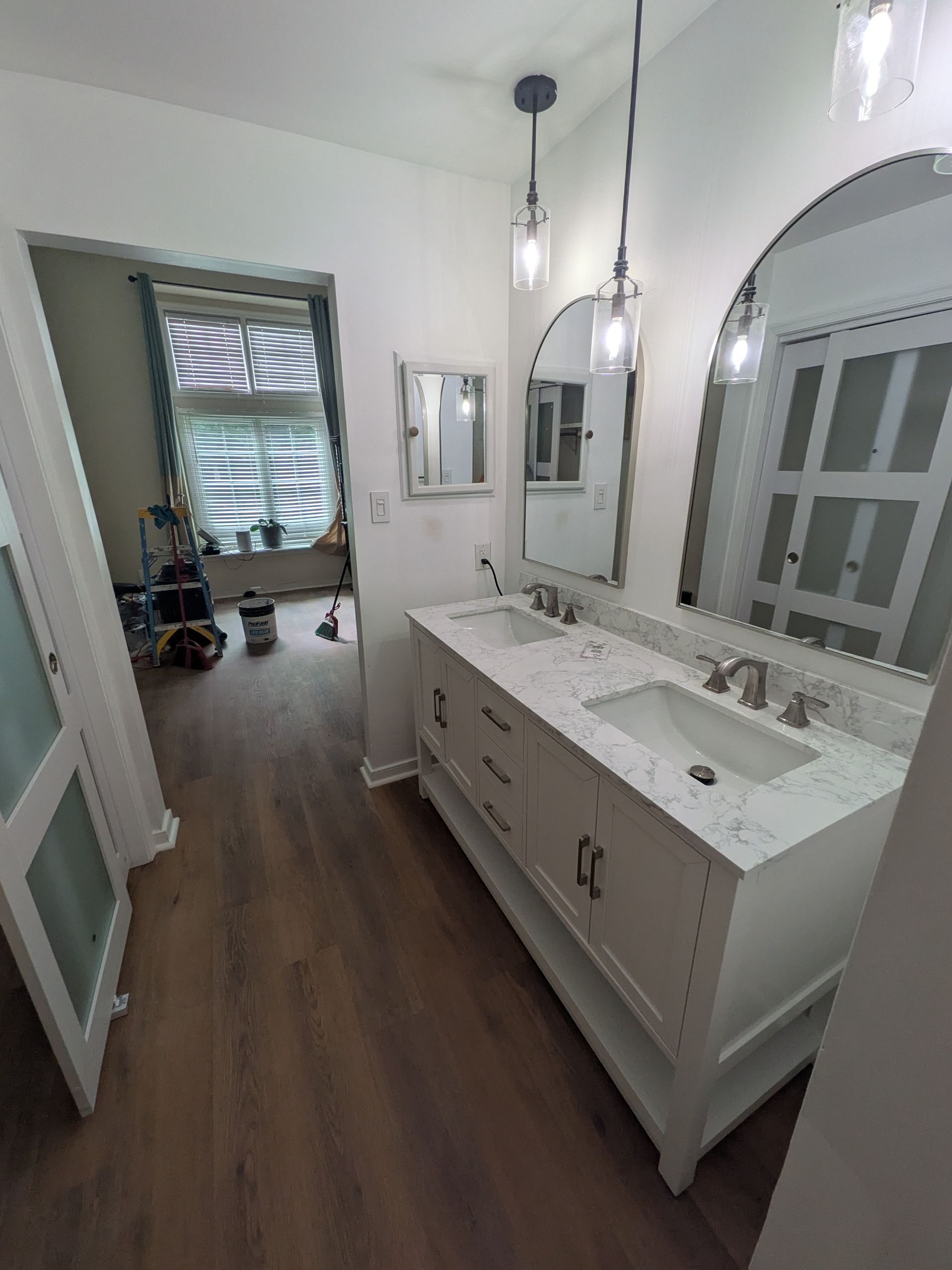
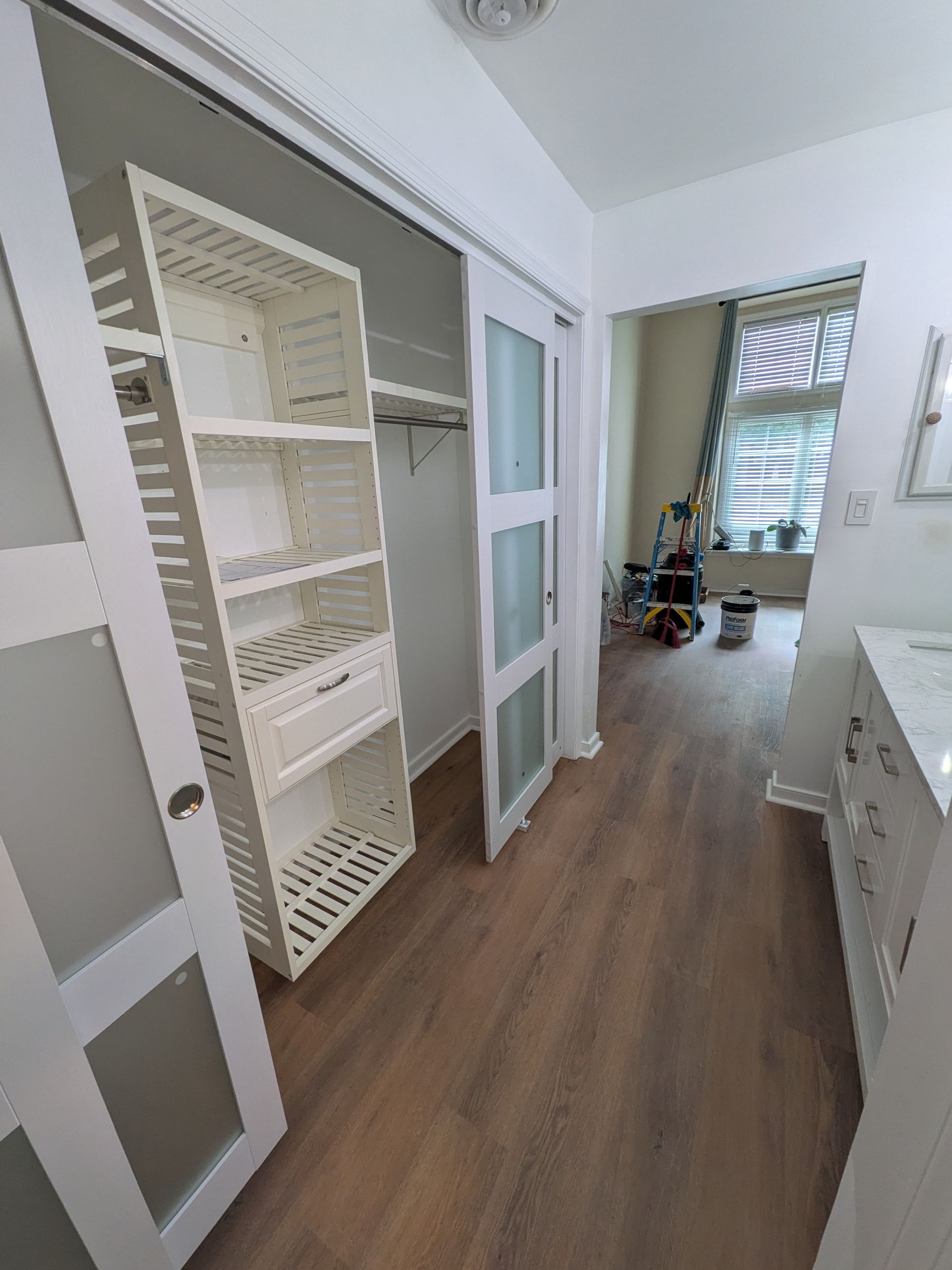
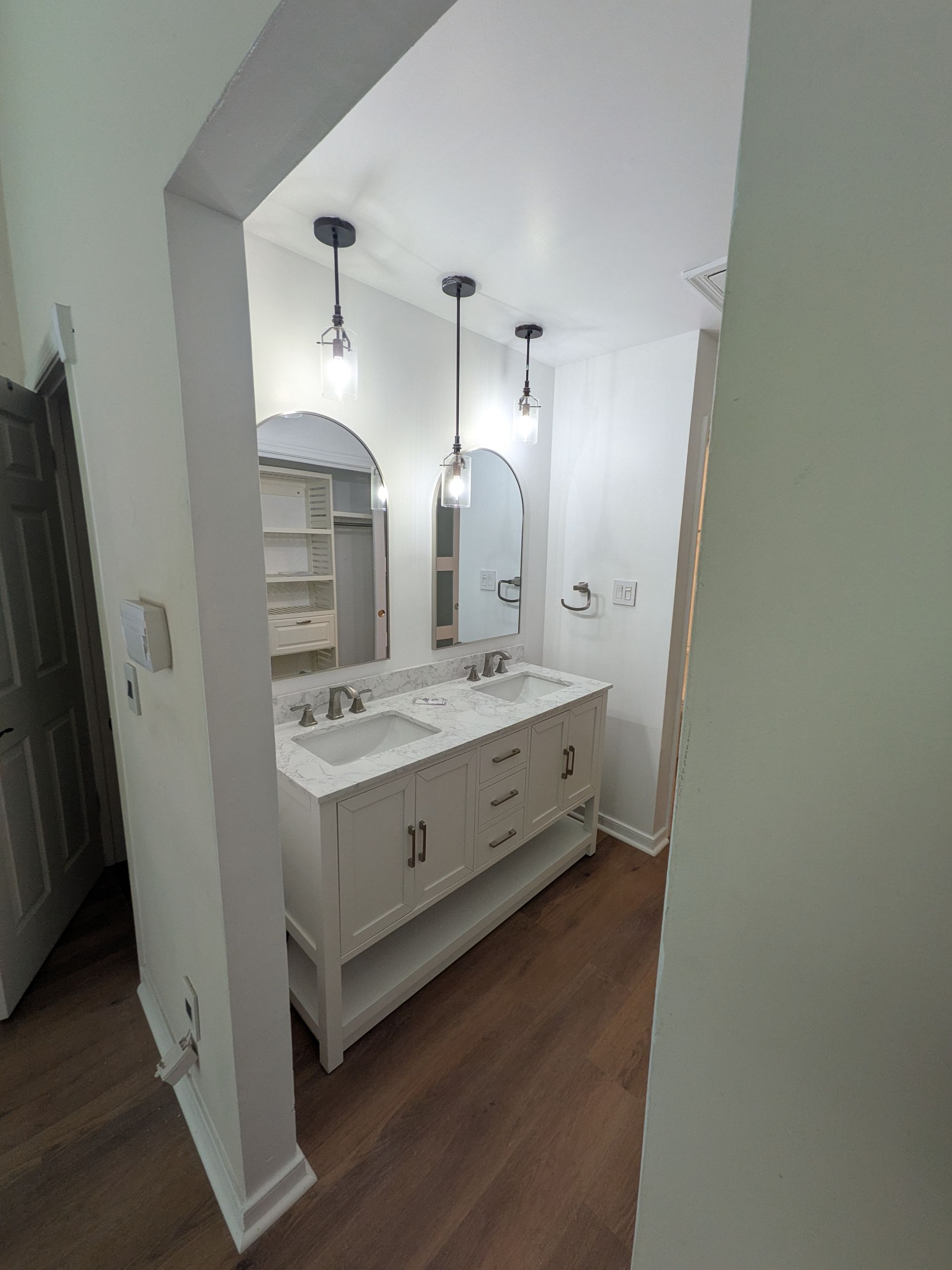
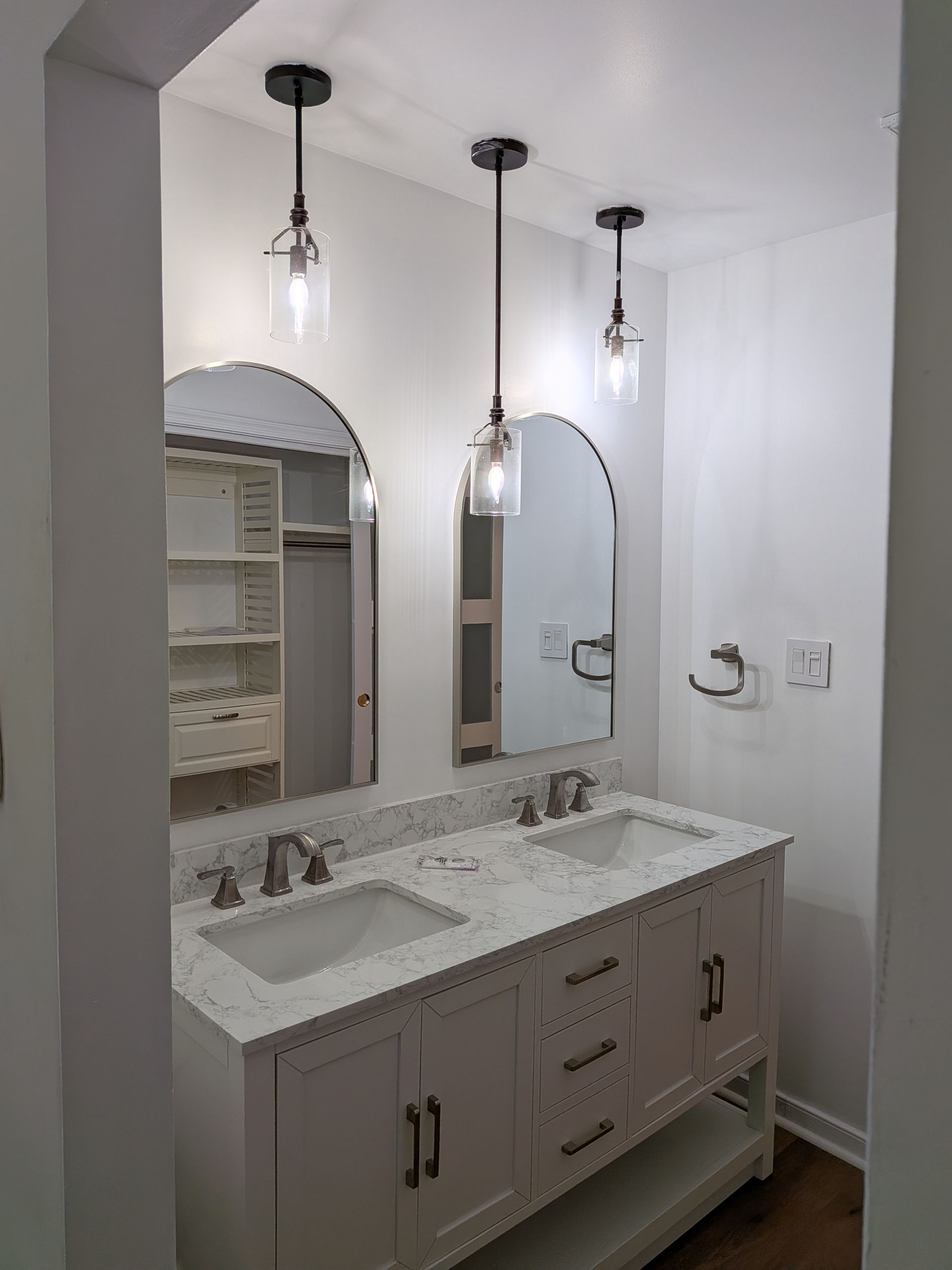
Completed installations deliver floors that feel solid underfoot without the hollow sound that occurs when underlayment is skipped or subfloors aren't properly leveled. Plank seams lock tightly enough that spills stay on the surface rather than seeping between joints, and the wear layer resists scratches from pet claws, furniture legs, and grit tracked in from outside. Color and grain patterns flow naturally across rooms without abrupt mismatches that reveal poor lot management during material ordering.
You'll see transitions between rooms that align perfectly without lips or gaps, and cuts around door frames that fit closely enough to eliminate visible spacing. The flooring remains dimensionally stable even when humidity levels shift between seasons, unlike solid hardwood that expands and contracts enough to cause buckling or gapping. Maintenance involves simple sweeping and damp mopping without the refinishing, sealing, or specialized cleaners that hardwood demands, and the surface retains its appearance even in high-traffic areas where traditional flooring shows wear patterns within months.
LVP works well over concrete slabs, existing vinyl, and wood subfloors when properly prepared, but it won't correct underlying unevenness or structural issues that require separate remediation. Installation includes flooring, underlayment, and transitions, though baseboards, shoe molding, and floor preparation beyond basic cleaning and minor leveling may affect total project scope.
Licensed and insured general contractors in Florida
What Property Owners Usually Ask
Flooring decisions involve balancing appearance, durability, and maintenance requirements, and property owners want clear information before committing to installations.
What makes LVP suitable for moisture-prone areas?
The vinyl construction is waterproof, meaning surface water won't damage the planks themselves, though standing water can still seep through seams if not cleaned promptly, and proper subfloor moisture protection remains necessary in below-grade installations.
How does wear layer thickness affect performance?
Thicker wear layers resist scratches and denting better in commercial or high-traffic residential applications, with 12-mil or 20-mil wear layers outperforming 6-mil options in spaces that see heavy use or rolling equipment.
When is underlayment necessary for LVP?
Underlayment provides sound dampening in multi-story buildings, adds cushioning over concrete slabs, and creates a moisture barrier in basement or below-grade applications where concrete can transmit ground moisture.
Why do some LVP installations feel hollow underfoot?
That hollow feeling occurs when subfloors aren't level or when underlayment is skipped, creating voids beneath planks that flex and produce noise when walked on instead of providing solid support.
How do Richmond's seasonal conditions affect LVP installation?
While LVP tolerates temperature and humidity changes better than hardwood, planks still need to acclimate to site conditions for 48 hours before installation to prevent expansion issues that can cause buckling in hot months or gapping during winter heating.
Mastros Marble and Tile L.L.C provides personalized flooring recommendations based on how you use your space and what performance characteristics matter most for your application. Call (804) 933-3270 for a free estimate and to review LVP options that fit your budget and design goals.